Ask most buyers what makes a good bedsheet and they will say thread count. It is the number printed on the packaging, so it is the number people repeat. But two sheets with an identical thread count, woven from identical cotton, can feel like completely different products — because thread count says nothing about how the threads are actually crossed.
That is the weave. And for bedding sold into a hot, humid climate, it matters more than the number on the label.
Percale: one over, one under
Percale is the plain weave — a single warp thread over a single weft thread, repeated. Nothing clever, and that is the point. The construction is balanced, so air moves through it freely, and the surface stays matte rather than picking up a shine.
The hand is crisp. If you have ever got into a well-made hotel bed and noticed that the sheet felt cool and slightly papery in a pleasing way, that was percale. It also breathes, which in a Gujarat summer is not a luxury feature — it is the difference between sleeping and not.
Percale is unforgiving of poor yarn. With nowhere to hide, a weak or uneven thread shows up immediately as pilling or a rough patch. That makes it the construction where sourcing quality is most visible, which is exactly why we like it.


Sateen: more yarn on the surface
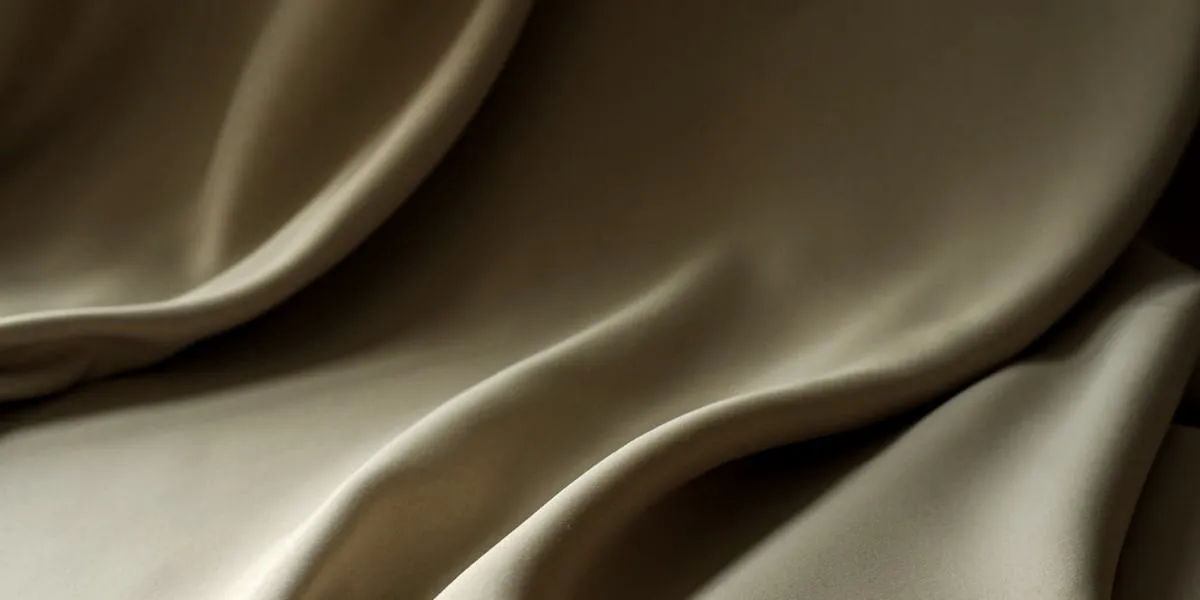
Sateen changes the ratio. Instead of one over one, the weave floats several threads across the surface before tucking one under. More yarn sits on the face of the cloth, and that does three things at once: it catches light, so the fabric gains a soft sheen; it drapes rather than stands, so it falls closer around the bed; and it traps a little more air, so it sleeps slightly warmer.
Sateen photographs beautifully. That is a real commercial advantage, and also the reason it gets specified for rooms it does not suit.
For a boxed wedding set or a premium retail range, sateen is often the right call — it looks expensive because it genuinely handles light differently. For a guest room in Ahmedabad in May, it is usually the wrong one.
Choosing between them
- Hot and humid, or a hot sleeper: percale. Airflow wins.
- Air-conditioned rooms, or a cooler season: sateen is comfortable and looks richer.
- High wash-cycle institutional use: percale, in a well-sourced yarn. It survives hard laundering more honestly.
- Gifting and presentation: sateen, every time.
What to write on the order
Name the weave explicitly — "percale" or "sateen" — alongside the fibre, the GSM and the size. A specification that says only "100% cotton, 200 TC" leaves the most important decision to whoever is running the loom that week.
A note on thread count
Thread count is not useless; it is just badly used. Beyond roughly 400, gains are marginal and are often achieved by twisting multiple thin plies together and counting each one — a technically true number that describes a worse fabric. A well-made 200-count percale in good cotton will outlast and out-sleep an inflated 800-count sheet in poor yarn.
Specify the fibre, the weave and the GSM. Let thread count be a detail rather than the headline.